Charaideo Moidams
The Ahom royal burial mounds — the Northeast's first cultural World Heritage Site
Inscribed as a UNESCO World Heritage Site in July 2024 — the first cultural site from the entire Northeast — the Moidams of Charaideo are the sacred burial mounds of the Ahom royalty. Charaideo was the first capital of the Ahom kingdom, founded by its first king Chaolung Sukapha in 1253, and remained the spiritual and burial ground of the dynasty even after the capital moved.
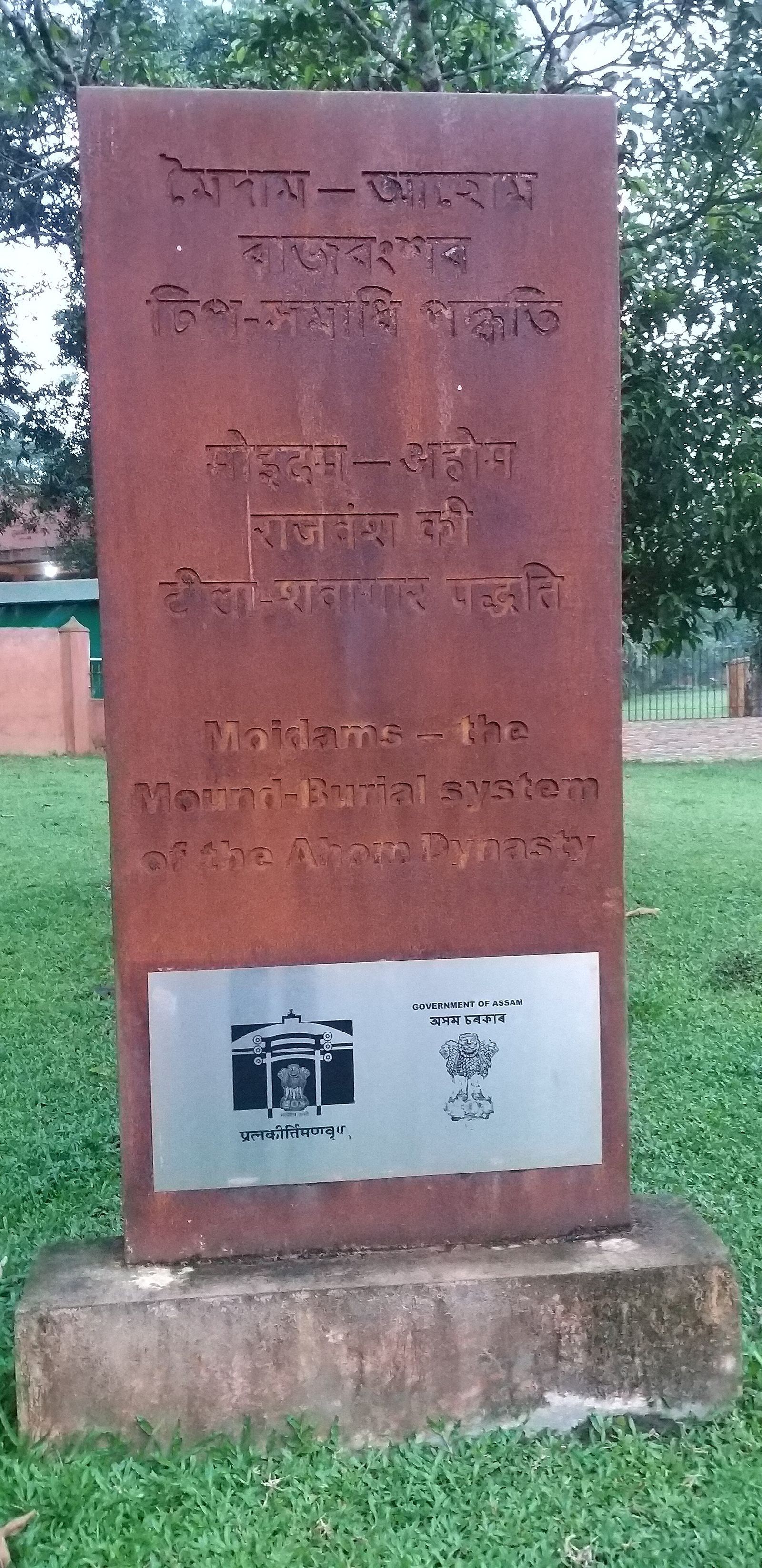
A moidam is a hollow vault, once built of timber and later of brick and stone, in which a departed king or noble was buried with the objects — and, in earlier times, the attendants — needed for the afterlife, then covered by a great hemispherical earthen mound faced with brick and crowned with a small pavilion. In form and idea they are often compared to the royal tombs of ancient Egypt or the burial mounds of China's emperors.
Ninety of the best-preserved moidams survive at Charaideo, rising from manicured lawns and framed by trees, a serene and dignified landscape quite different from a temple or fort. The UNESCO listing has brought new attention and care to a site that embodies the identity of Assam's founding dynasty.
What to see & do
- The great hemispherical royal mounds rising from open lawns
- The vaulted chambers and the small crowning pavilions
- The interpretation displays on Ahom burial customs
- Sivasagar's Rang Ghar and palace complex nearby
Getting to Charaideo Moidams
| How to reach | About 30 km from Sivasagar and near Sonari town; reached from Jorhat or Dibrugarh airports. No permit for Assam. |
| Best time | October to April. |
| Timings | Daylight hours. |
| Entry | Small ASI ticket. |
| Good to know | Combine with Sivasagar for a full day on the Ahom trail; mornings are cool and photogenic. |
More to explore
Kamakhya Temple
Nilachal Hill, Guwahati
The foremost Shakti Pitha and India's great tantric goddess shrine.
Hajo
near Guwahati
A rare hill sacred at once to Hindus, Buddhists and Muslims.
Majuli Satras
Majuli river island
Living neo-Vaishnavite monasteries on the world's largest river island.