Majuli Satras
Living neo-Vaishnavite monasteries on the world's largest river island
On Majuli, the vast river island in the Brahmaputra, a remarkable monastic culture has survived for five centuries. The satras are monastery-villages founded in the tradition of the 15th–16th century saint-reformer Srimanta Sankardeva and his disciple Madhavdeva, who preached a casteless devotion to Krishna through art rather than ritual. At their peak there were dozens of satras on the island; a handful of the most important remain active today.
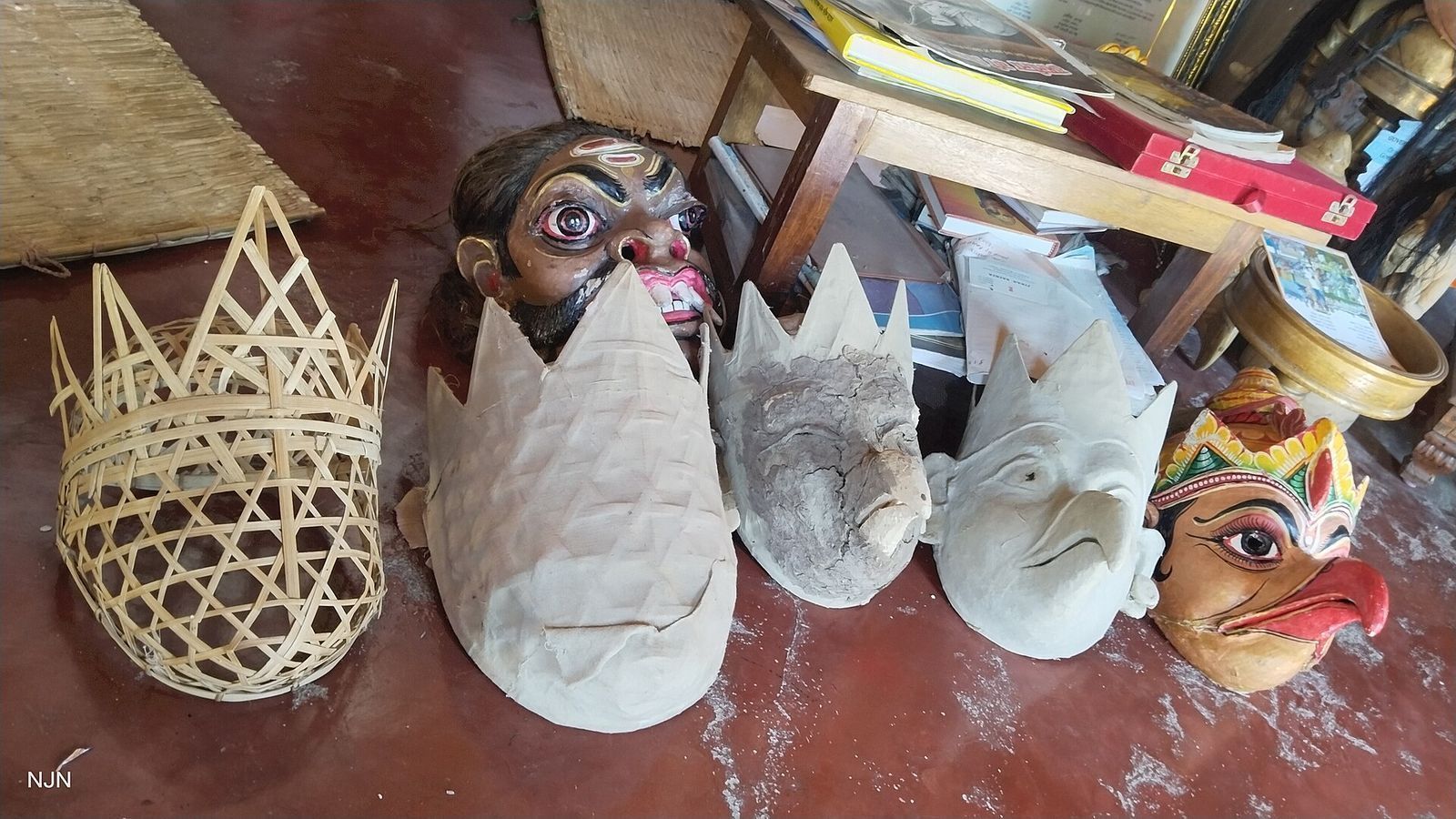
A satra is not a temple but a community: a central prayer hall (namghar), living quarters for celibate or lay monks (bhakats), and workshops. Here devotion takes the form of performance — the classical Sattriya dance (now one of India's recognised classical dance forms), borgeet devotional songs, and the extraordinary tradition of mask-making at Samaguri Satra, where papier-mache masks of gods and demons are made for the bhaona religious plays.
Auniati, Dakhinpat, Garamur, Kamalabari and Samaguri are among the satras open to respectful visitors. To spend a morning watching young bhakats rehearse a dance, or an artisan build a towering mask, is to see a devotional culture that has outlasted floods, erosion and time itself. Majuli sits on India's UNESCO tentative list.
What to see & do
- Samaguri Satra's mask-making workshop, the last of its kind
- A Sattriya dance or borgeet rehearsal in a namghar
- Auniati Satra's museum of Ahom-era artefacts and manuscripts
- The island's Mishing stilt villages, wetlands and migratory birds
Getting to Majuli Satras
| How to reach | By ferry (and now a RoRo vessel) from Nimati Ghat near Jorhat; check the timings, as the last ferry back is mid-afternoon. |
| Best time | October to March; the Raas Mahotsav around November is the cultural highlight. Avoid the June–September floods. |
| Timings | Satras welcome daytime visitors; dance and prayer happen morning and evening. |
| Entry | Free; museums may charge a small fee. Homestays let you stay overnight, which is strongly recommended. |
| Good to know | Stay a night rather than day-tripping — Majuli's rhythm is the point. Hire a bicycle or scooter to reach the scattered satras. |
More to explore
Kamakhya Temple
Nilachal Hill, Guwahati
The foremost Shakti Pitha and India's great tantric goddess shrine.
Tawang Monastery
Tawang
India's largest monastery, and the birthplace of the 6th Dalai Lama.
Tripura Sundari Temple
Udaipur
One of India's 51 Shakti Pithas, the guardian deity of the Tripura kings.