Manas National Park
A World Heritage tiger reserve on the Bhutan frontier
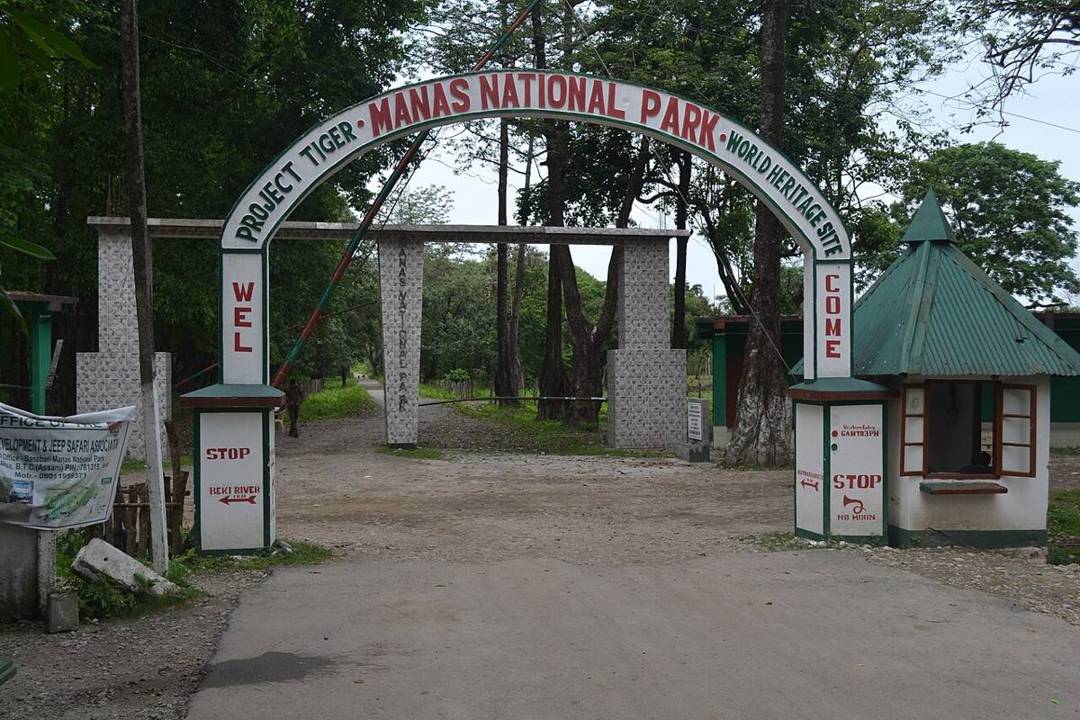
Where the Himalaya of Bhutan meet the plains of Assam, Manas is a rare double distinction: a UNESCO World Heritage Site, a Project Tiger reserve, an elephant reserve and a biosphere reserve all at once. Quieter and wilder than Kaziranga, it is set against a backdrop of blue Bhutanese hills, with the Manas river running clear through the forest.
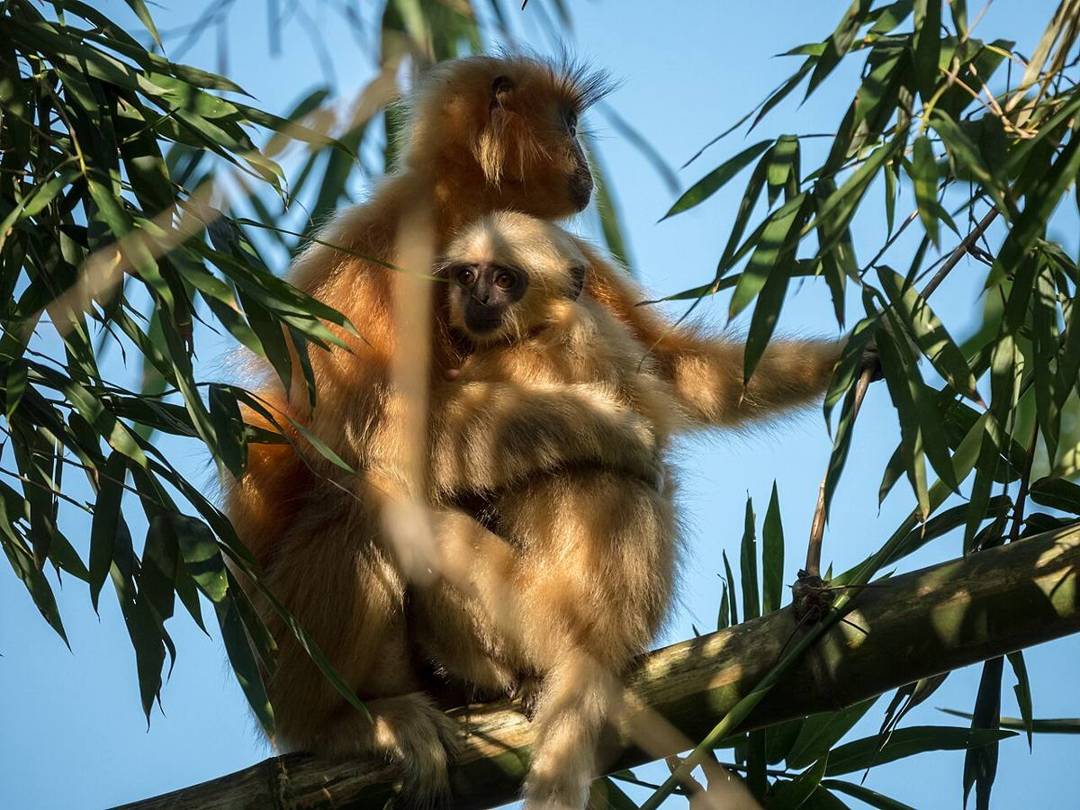
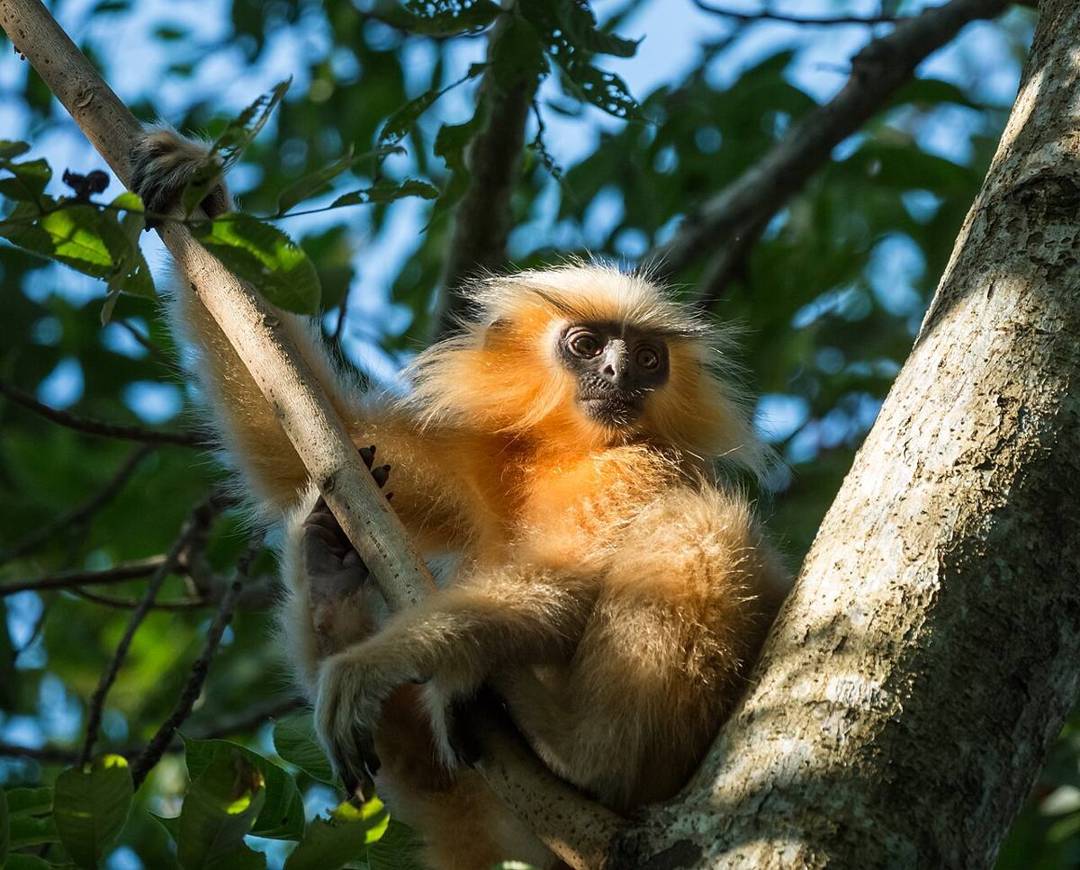
Manas is the last refuge of several species found almost nowhere else, including the golden langur, the pygmy hog and the hispid hare, alongside tigers, elephants, wild buffalo and clouded leopard. Its recovery from years of unrest into a thriving, community-protected reserve is one of Indian conservation's great success stories.
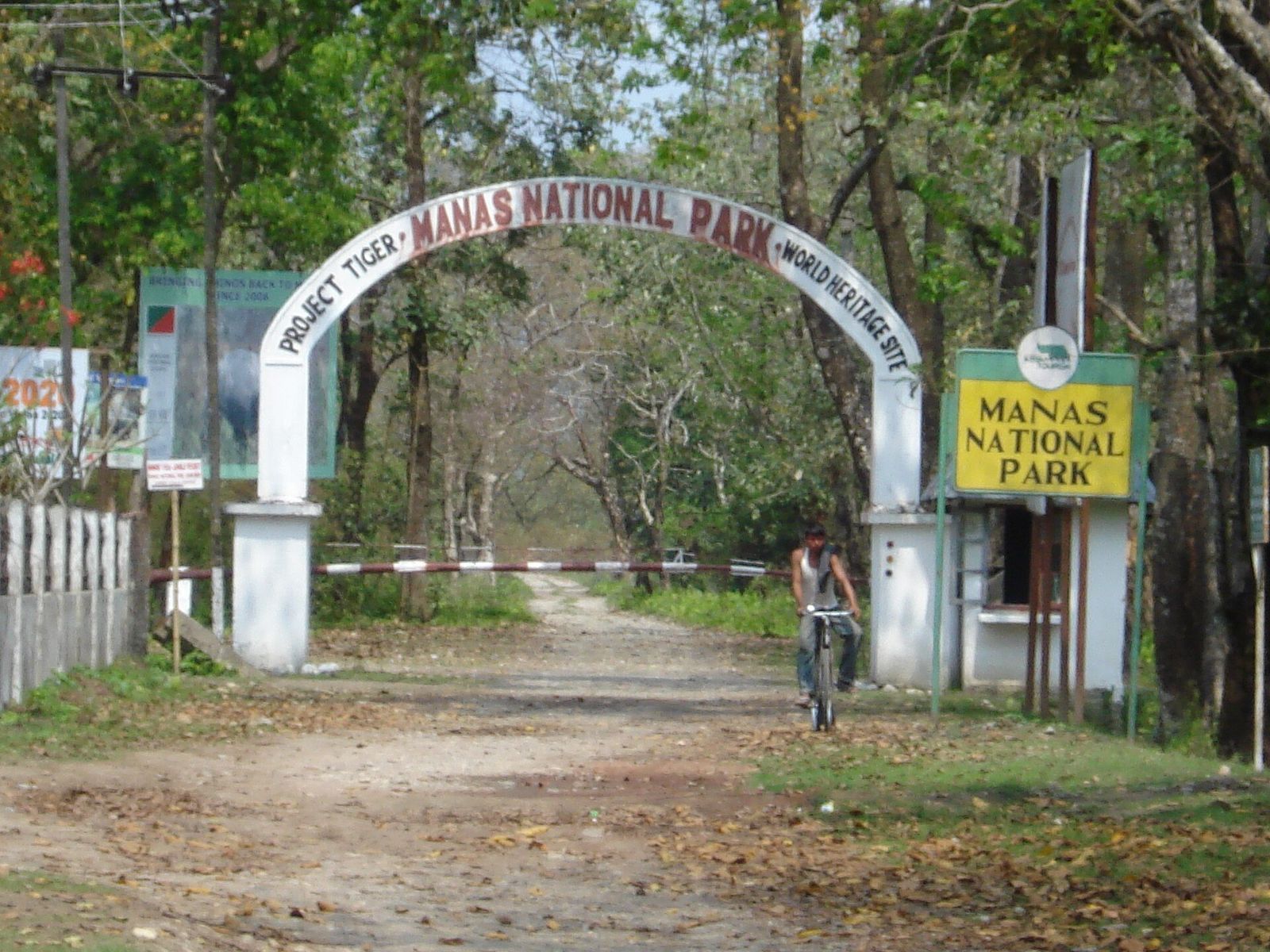
What to see & do
- Golden langur, pygmy hog and other rare endemics
- Tigers, elephants and wild buffalo in a quieter setting than Kaziranga
- The Manas river and the Bhutan hills as a backdrop
- Community-run eco-camps on the fringe of the park
Getting to Manas National Park
| How to reach | About 4 hours from Guwahati via Barpeta Road, the gateway town. No airport nearby; drive from Guwahati. |
| Best time | November to April; closed in the monsoon. |
| Permit | No permit for Assam; safaris arranged through the forest department or eco-camps. |
| Good to know | Pair a Manas trip with the Bodoland cultural circuit, and consider a community homestay for the fuller experience. |
Manas National Park in 60 seconds: getting there, safaris, golden langurs
Getting there, when to go and what to know, in one minute. The photographs are real; the narration is an AI voice.
Getting there, step by step
Guwahati → Barpeta Road (≈140 km, 3–3.5 hrs) → Bansbari gate (≈20 km)
Manas lies on Assam's border with Bhutan, at the foot of the Himalaya, and is quieter and wilder than Kaziranga. The main entry is the Bansbari range: drive from Guwahati to Barpeta Road, about 140 km and three to three and a half hours on the national highway, then about 20 km north to Bansbari. Barpeta Road is also on the main railway line west of Guwahati.
Jeep safaris start from Bansbari and run through the central range towards Mathanguri, where the Manas river comes out of Bhutan. Mornings are best for animals, and the light on the river at Mathanguri is the classic view.
The park is a UNESCO World Heritage Site and a tiger reserve, home to rhino, wild buffalo, elephant, the golden langur and the rare pygmy hog. In the 2026–27 season each range closes one day a week, so check before you fix your safari day.
⚠️ Precautions & a smooth trip
- Season: the park is open from about October to May and closed in the monsoon.
- Weekly closures (2026–27): Bansbari on Tuesdays, Kuklung on Wednesdays, Bhuyanpara on Thursdays and Panbari on Fridays.
- Book safaris through your lodge or the range office a day ahead; vehicles are limited.
- Cash: ATMs and card machines are scarce beyond Barpeta Road.
- Mosquitoes: use repellent and long sleeves at dusk.
Where to base yourself for Manas National Park
Bansbari
Lodges near the park gate, such as Bansbari Lodge and Musa Jungle Retreat, put you closest to the morning safaris.
Mathanguri
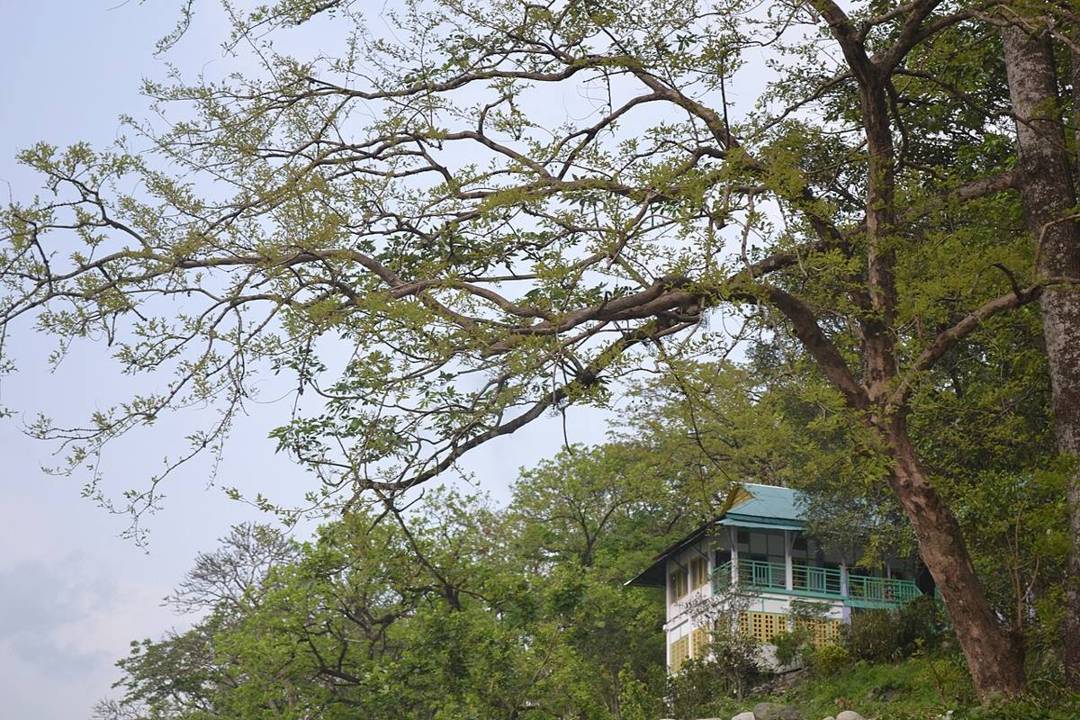
The forest department's lodge inside the park by the river is the most atmospheric stay; ask the park office about bookings.
Barpeta Road
Simple town hotels if the lodges are full, about half an hour from the gate.
Hotel names are well-known examples to help you get your bearings — not bookings or paid recommendations. Always check current availability, prices and recent reviews before you book.
Manas National Park in photographs
Real photographs by travellers and local photographers. Tap any picture to see it larger.
More to explore
Kaziranga National Park
Golaghat & Nagaon districts
The last stronghold of the one-horned rhinoceros.
Tea Gardens & River Cruises
Upper Assam & the Brahmaputra
Colonial bungalows, endless green, and life on the great river.
Pobitora Wildlife Sanctuary
Morigaon district, near Guwahati
The world's densest rhino population, an easy day from Guwahati.