People & Culture
The peoples, languages, faiths and living arts that make the North-East the most diverse corner of India.
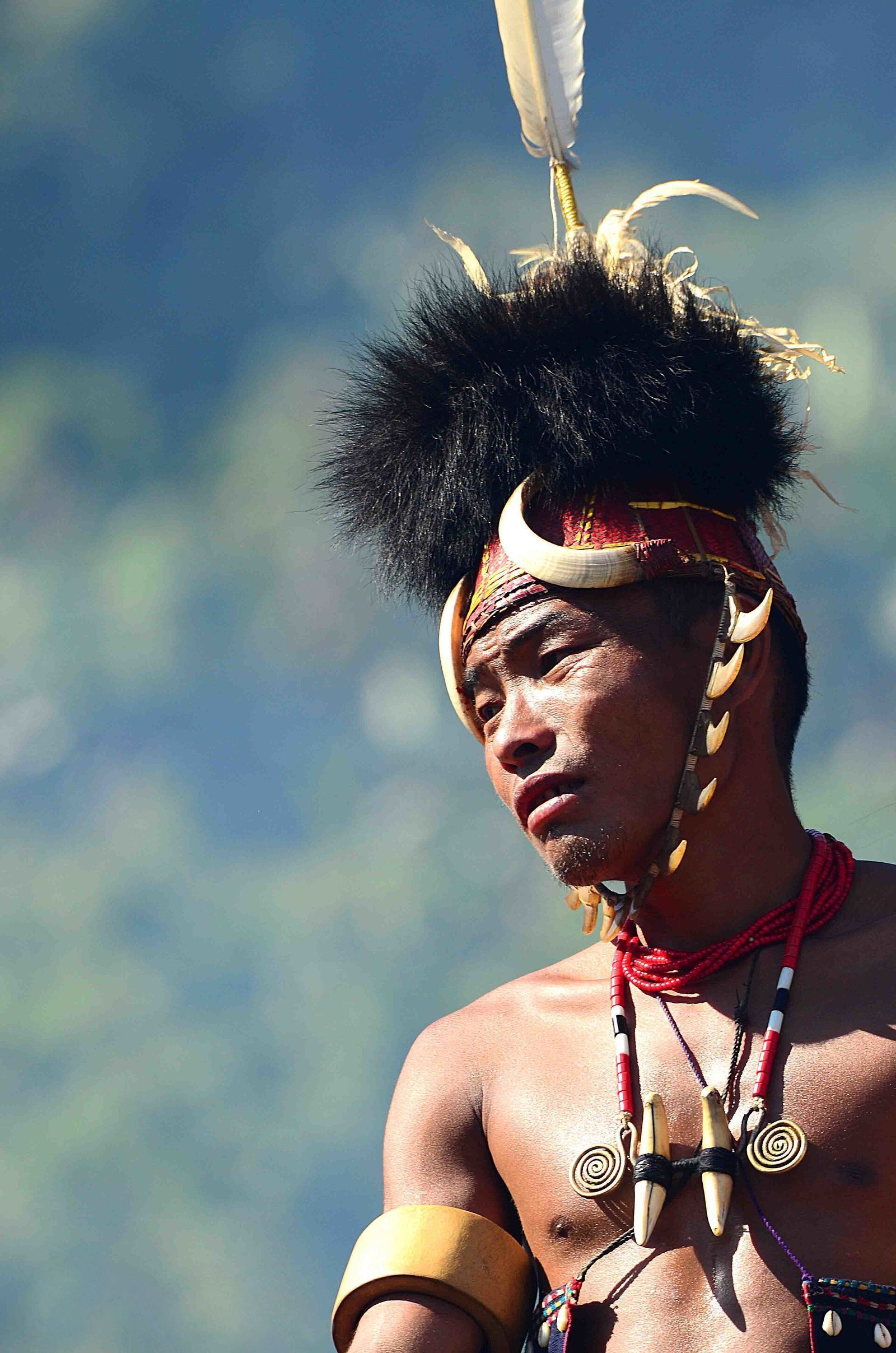
No corner of India is as diverse as its North-East. Across eight states live more than 220 tribes and communities, speaking languages from three different families, worshipping in temples, churches, monasteries and sacred groves, and weaving, dancing and cooking in ways found nowhere else on earth. To understand the Northeast is to understand this astonishing plurality — a mosaic of peoples who have kept their distinct identities alive for centuries.
Who lives in the Northeast
More than 220 tribes and communities, grouped here by state.
| State | Major peoples | In brief |
|---|---|---|
| Assam | Assamese, Bodo, Mishing, Karbi, Dimasa, Rabha, Tiwa, Tea-tribes | The Brahmaputra valley's Assamese-speaking mainstream meets the Bodo and other plains tribes and the hill peoples of Karbi Anglong and Dima Hasao, plus the 'tea tribes' brought during the colonial plantations. |
| Meghalaya | Khasi, Jaintia (Pnar), Garo | Three matrilineal societies where lineage and property pass through the mother and the youngest daughter — one of the largest surviving matrilineal cultures in the world. |
| Arunachal Pradesh | Nyishi, Adi, Galo, Apatani, Monpa, Mishmi, Tagin, Wancho, Nocte, Tangsa and more | India's most tribally diverse state — 26 major tribes and over 100 sub-tribes, from Tibetan-Buddhist Monpas in the west to the Tani groups of the centre and the tattooed Wancho and Nocte of the east. |
| Nagaland | Angami, Ao, Konyak, Sema (Sumi), Lotha, Chakhesang, Zeliang and others (16 major tribes) | Sixteen major Naga tribes, each with its own language, dress and festivals, united by a warrior heritage, the morung (youth dormitory) tradition and, today, Christianity. |
| Manipur | Meitei (valley); Naga & Kuki-Zo tribes (hills) | The Meitei of the Imphal valley, heirs to a classical dance and Vaishnavite tradition, ringed by a mosaic of Naga and Kuki-Zo hill tribes such as the Tangkhul, Mao, Thadou and Paite. |
| Mizoram | Mizo (Lushai, Hmar, Lai, Mara and other clans) | A close-knit, overwhelmingly Christian society descended from the Lushai and related clans, famous for community spirit (tlawmngaihna) and near-universal literacy. |
| Tripura | Tripuri (Kokborok-speaking), Reang, Jamatia, Chakma; and a Bengali majority | Nineteen indigenous tribal communities led by the Kokborok-speaking Tripuri, alongside a large Bengali population, the legacy of the Manikya kingdom and Partition-era migration. |
| Sikkim | Bhutia, Lepcha, Nepali | The Lepcha (the original inhabitants), the Bhutia of Tibetan descent, and the Nepali-speaking majority — a blend that gives Sikkim its Buddhist-and-Hindu, Himalayan character. |
Languages
The Northeast is one of the most linguistically dense regions on earth, home to hundreds of languages from three great families: Tibeto-Burman (most of the hill tribes — Naga, Mizo, Bodo, Manipuri, Monpa and many more), Austroasiatic (Khasi and Jaintia in Meghalaya), and Indo-Aryan (Assamese, Bengali, Nepali). Sikkim alone recognises eleven official languages.
Because so many communities live side by side, link languages have grown up to bridge them — Nagamese, an Assamese-based creole, ties the Naga tribes together, while English is the official language of Nagaland, Meghalaya and Mizoram and the common tongue of the hills. For the visitor, English and Hindi go a long way, but a word in the local language is always warmly received.
Faiths & belief
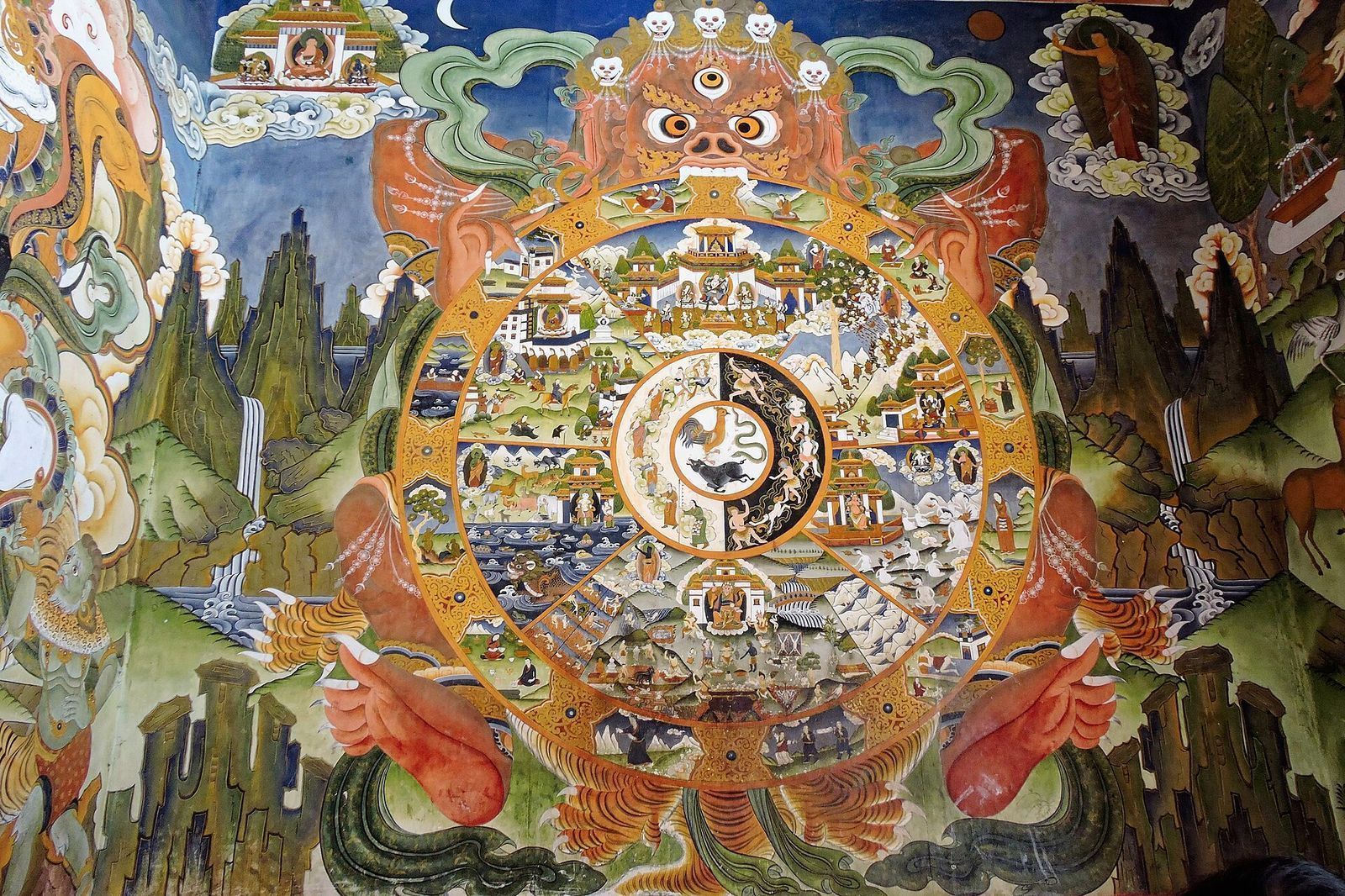
The region's spiritual map is as varied as its peoples. Christianity is the majority faith in Nagaland, Mizoram and Meghalaya, the legacy of 19th-century missionaries, and Sunday is observed with real quiet across those states. Hinduism prevails in Assam, Tripura and the Manipur valley; Tibetan Buddhism in the hills of Arunachal and Sikkim; and Islam among communities in Assam.
Older still are the indigenous faiths that endure alongside the world religions: Donyi-Polo ('Sun-Moon') among the Tani tribes of Arunachal, Sanamahism among the Meitei of Manipur, the Heraka revival among the Zeme Naga, and the sacred groves of the Khasi, where the forest itself is protected as the abode of a deity. This layering of belief is one of the region's most fascinating features.
Handloom & textiles
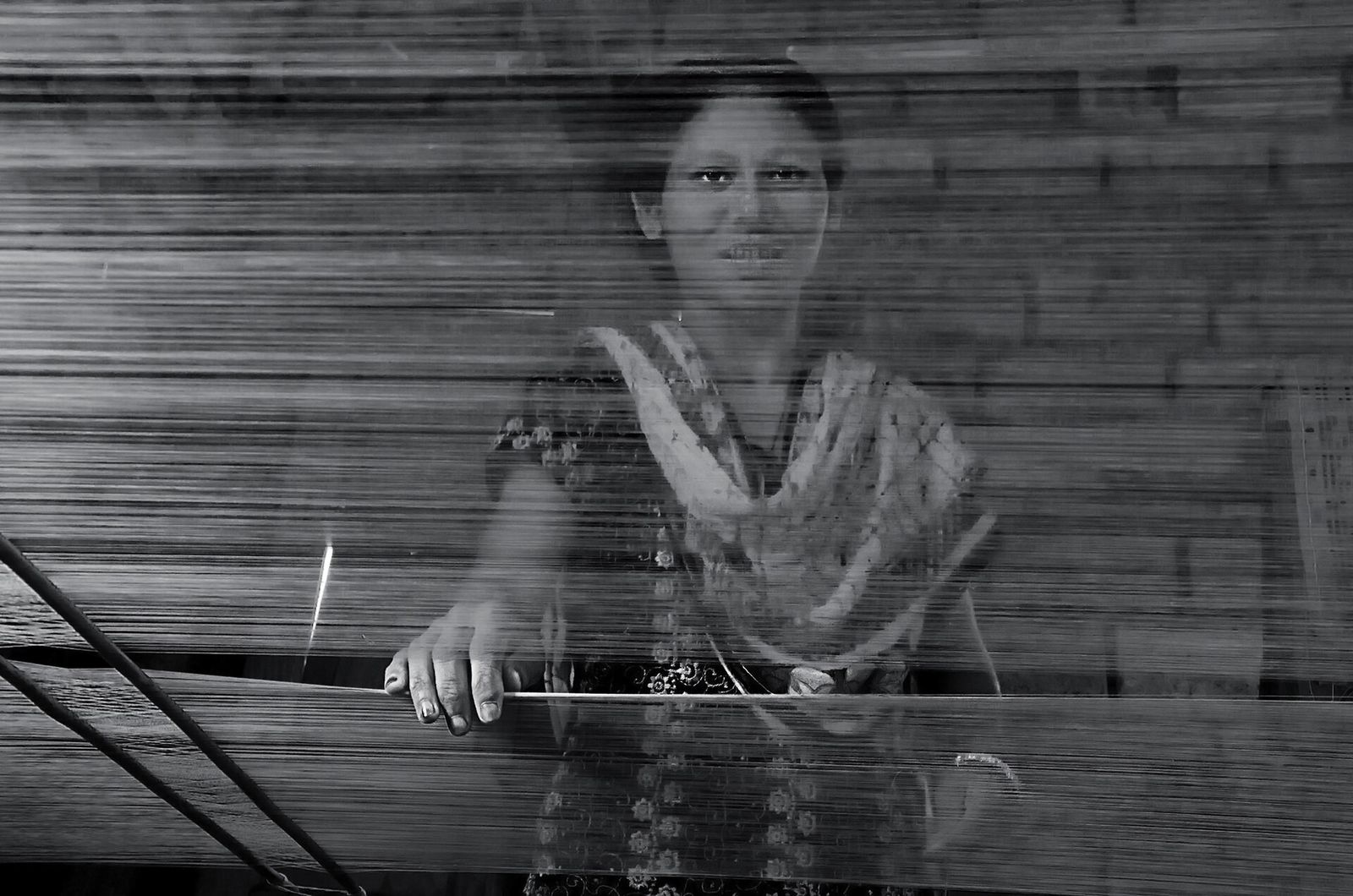
Weaving is the signature craft of the Northeast, and almost every community has its own loom and its own cloth. Assam is famous for its silks — the golden muga (produced almost nowhere else in the world), the creamy eri, and the fine pat — woven in villages like Sualkuchi, the 'Manchester of the East'. Manipur's women weave the phanek and the intricate Moirang phee; the Mizo weave the colourful puan; and each Naga tribe has its own strictly coded shawl, whose patterns once signalled a man's status and deeds in war.
These are not museum pieces but living, everyday textiles, and buying directly from weavers — at Ima Keithel in Imphal, in a Naga village, or at a state emporium — is one of the most meaningful things a visitor can do, putting money straight into the hands of the artisans who keep the tradition alive.
Dance & music
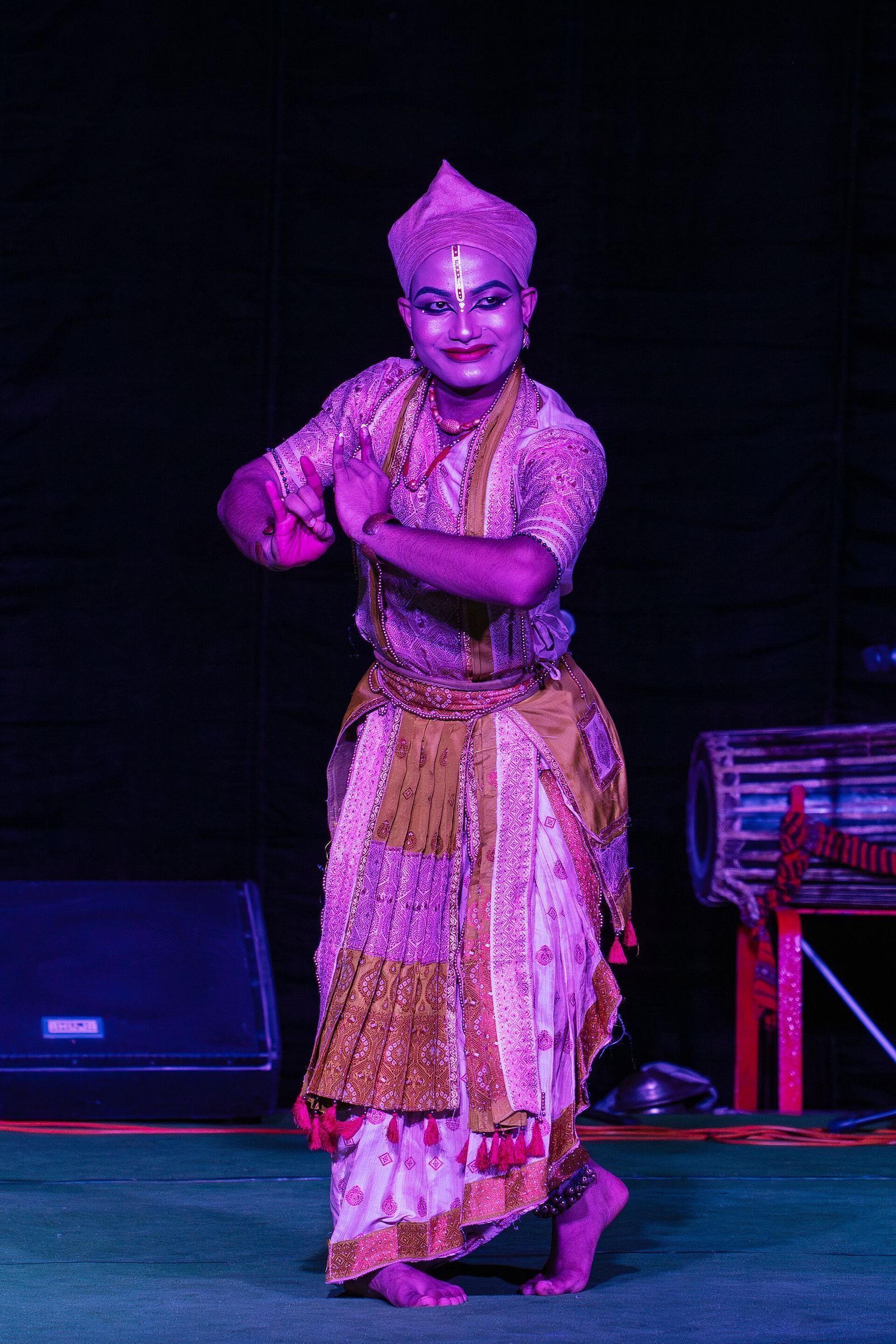
The Northeast expresses itself through movement and song. Assam has the exuberant Bihu dance of spring and the stately Sattriya, one of India's eight classical dance forms, born in the Majuli monasteries. Manipur gives India another classical form — the graceful Manipuri Raas Leela — as well as the martial art of thang-ta. Mizoram's Cheraw, the bamboo dance, sees dancers step nimbly between clashing bamboo poles, and every Naga tribe has its own war dances and folk songs, showcased each December at the Hornbill Festival.
The region is also, unexpectedly, the rock-and-roll heart of India: Shillong is famous for its guitarists and choirs, and contemporary music festivals like Ziro and the Shillong Cherry Blossom Festival draw crowds from across the country and the world. Tradition and the electric guitar sit side by side here, entirely at home.
Crafts & craftsmanship
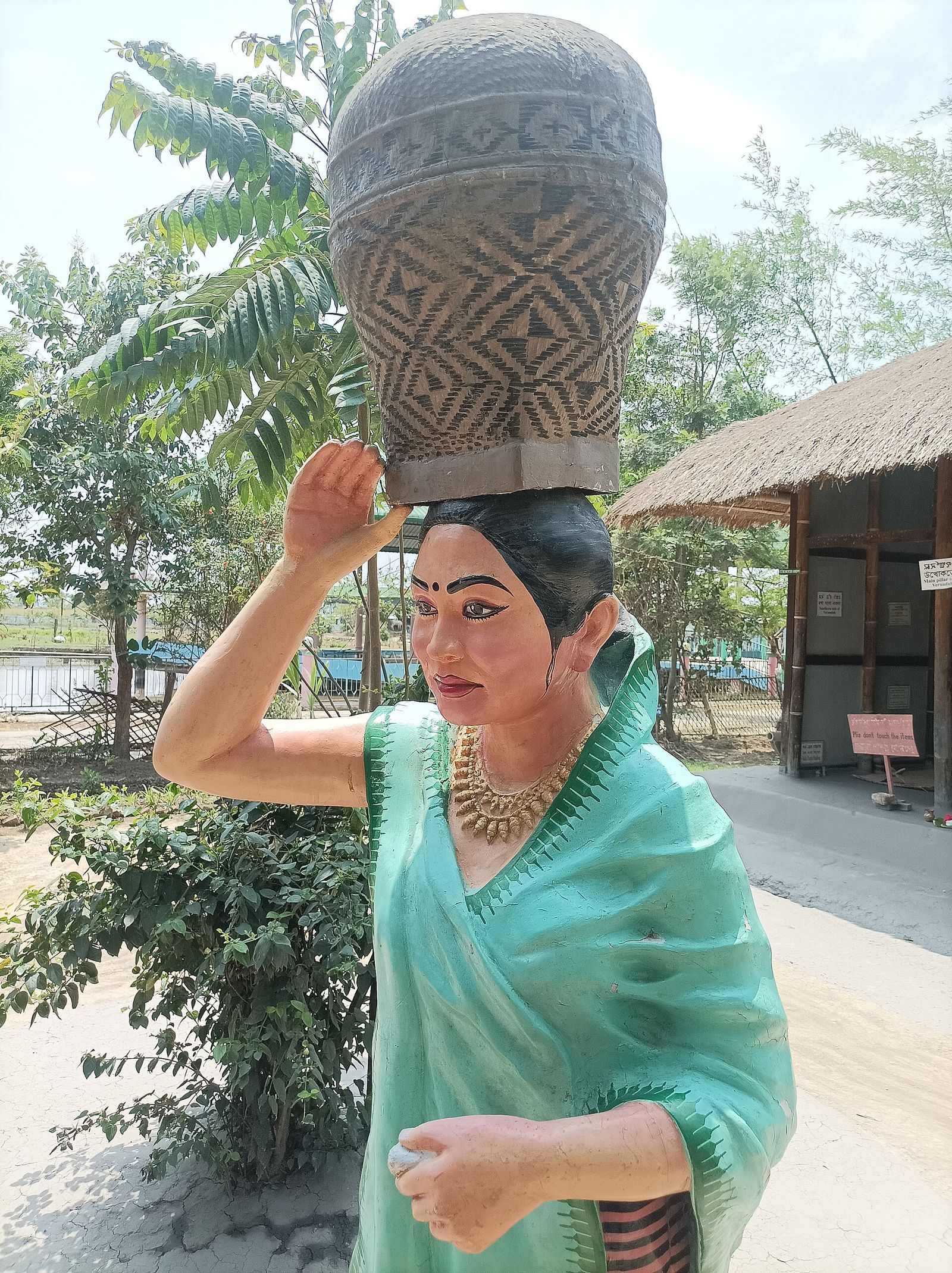
Beyond the loom, the Northeast is a land of makers. Bamboo and cane are worked into everything from houses and bridges to furniture, hats and exquisite baskets. Majuli's Samaguri satra keeps alive the art of building towering papier-mache masks for its religious plays. The Longpi potters of Manipur shape a distinctive black stoneware without a wheel; the Naga carve wood and forge; and the whole region turns local materials into objects of real beauty and utility.
Government emporia (Purbashree and the state handloom-and-handicraft corporations) and village cooperatives make it easy to buy authentic craft and support the communities that produce it. Look for the muga silk, the Naga and Mizo weaves, Longpi pottery, and bamboo-and-cane work.
Taste it, too
Culture in the Northeast is also on the plate — one of India's most distinctive cuisines.