Dzukou Valley
The valley of flowers of the Northeast
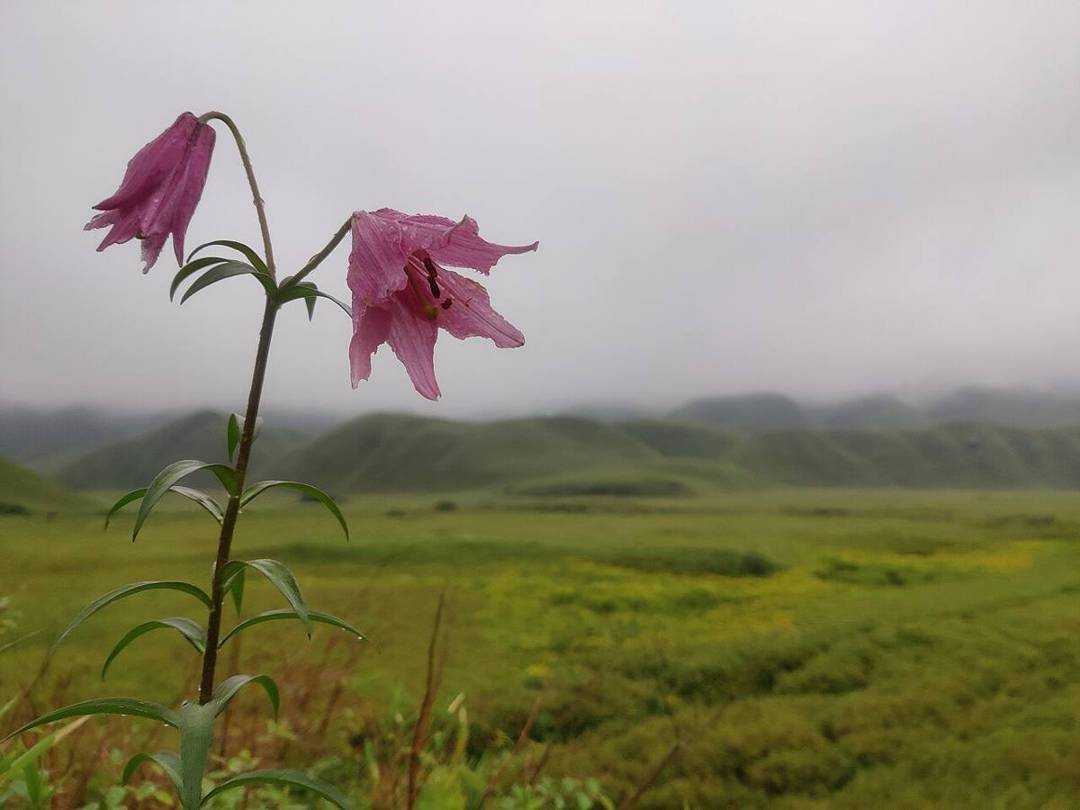
Straddling the Nagaland–Manipur border at around 2,450 metres, Dzukou is a rolling, otherworldly valley of emerald grassland cut by a meandering stream, most famous for the wild Dzukou lily and the carpets of seasonal flowers that bloom across it in summer. Reaching it means a stiff trek up through forest to the rim, then a descent into the valley — an effort rewarded with one of the most beautiful high landscapes in India.
Most trekkers climb from Viswema or Zakhama near Kohima, staying overnight in the basic rest house or camping to catch the valley at dawn, when frost or mist gives way to sun across the grass. It is cold at the top year-round, and the reward is silence, space and, in season, flowers to the horizon.
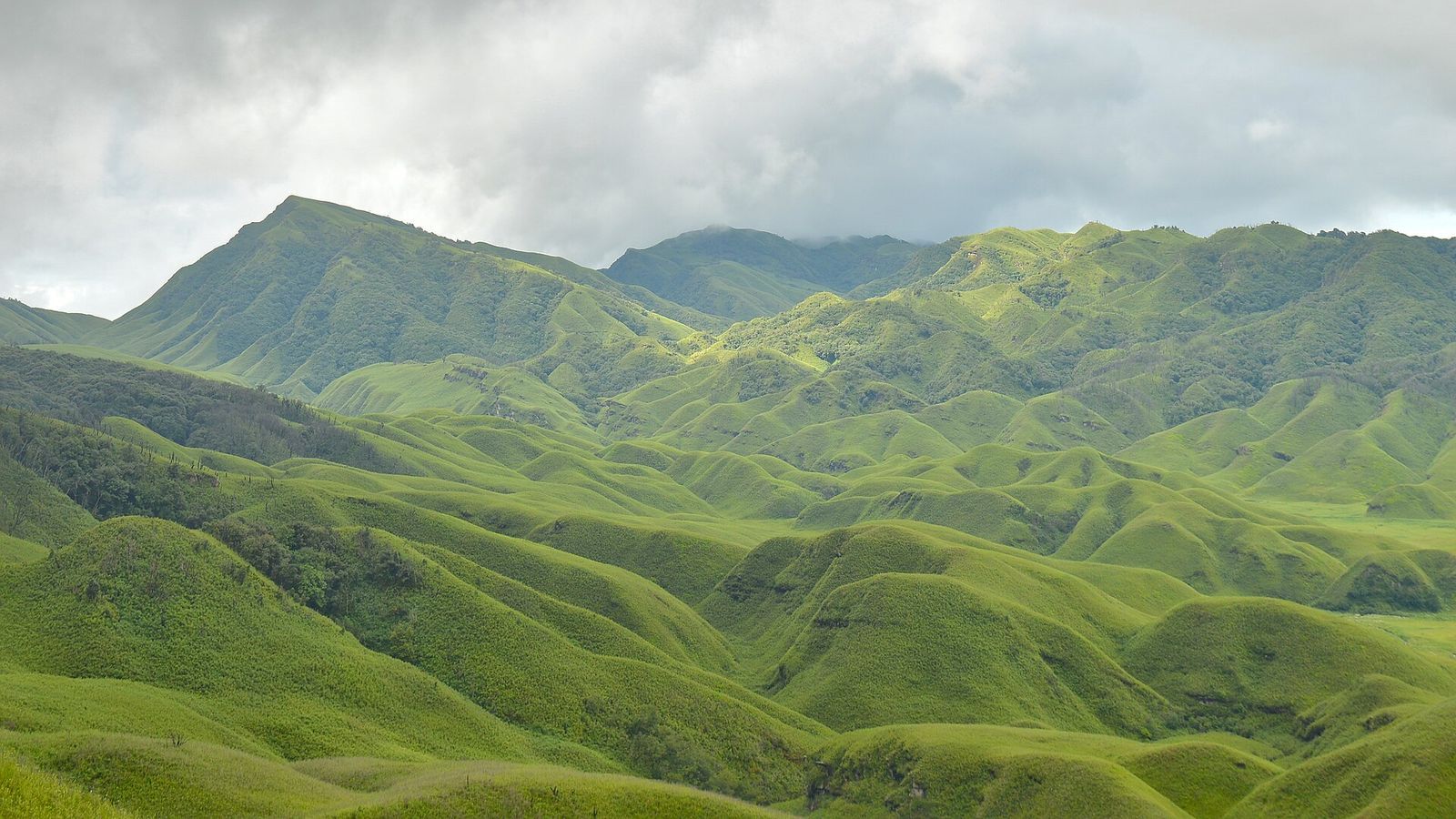
What to see & do
- The rolling flower-filled grassland and the Dzukou stream
- The rare Dzukou lily and seasonal blooms (June–August)
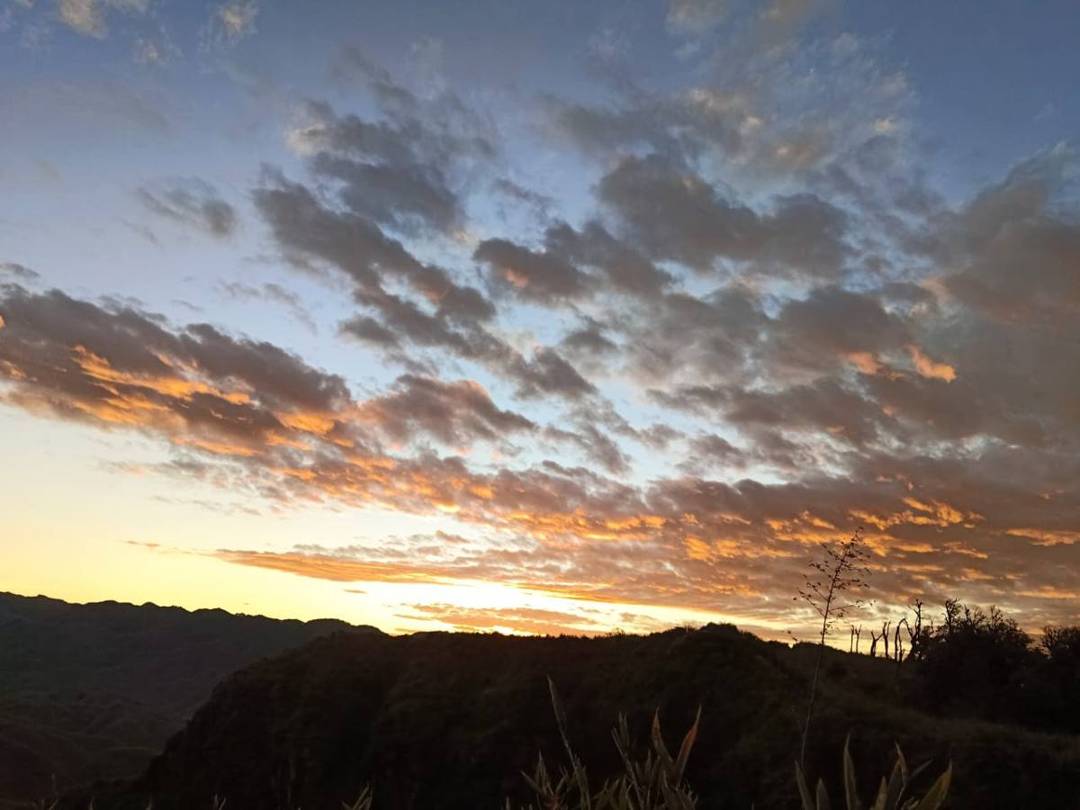
- Sunrise over the valley from the rim
- The cross-border views towards Japfu peak
Getting to Dzukou Valley
| How to reach | Trailheads at Viswema and Zakhama, about an hour from Kohima; then a 3–4 hour trek to the valley. |
| Best time | Flowers June to August (wet underfoot); clear, cold trekking October to March. |
| Permit | An Inner Line Permit is required for Nagaland. A registered local guide is compulsory for every trekking party (a rule of the Southern Angami Youth Organisation, which manages the valley), and no one may set out after 3 pm in winter or 4 pm in summer. |
| Good to know | Carry warm layers and rain protection whatever the season, arrange your guide the day before, and camp or stay overnight to see the valley at first light. |
Dzukou Valley in 60 seconds: the trek, the guide rule, the season
Getting there, when to go and what to know, in one minute. The photographs are real; the narration is an AI voice.
Getting there, step by step
Kohima → Viswema or Zakhama trailhead (≈20–25 km, 45 mins) → 3–5 hr hike to the valley
Dzukou Valley lies on the Nagaland–Manipur border behind Kohima, at around 2,400 metres. The usual approach is from Viswema, about 20 km south of Kohima on the Imphal road: a short drive to the trailhead, then a steep climb of two to three hours to the rim, and about another hour along the ridge to the rest house above the valley.
The route from Zakhama is longer and gentler, about four to five hours, and many walkers go up one way and down the other. Fit walkers can make a day trip by starting early, but a night at the rest house, with sunrise over the valley, is the reason to come.
The valley is looked after by the Southern Angami Youth Organisation. A registered local guide has been compulsory since October 2025, and no one may start up after 3 pm in winter or 4 pm in summer.
⚠️ Precautions & a smooth trip
- Permit: Indian visitors need Nagaland's Inner Line Permit; apply online before you arrive.
- Guide: arrange a registered guide in Viswema, Jakhama or Kohima, or you will be turned back.
- Cold: winter nights at the rest house fall below freezing. Bring a warm sleeping bag and a head torch.
- Fire season: the dry months from December to March bring wildfires. Never light a fire, and check the valley is open before you set out.
- Carry out everything you carry in; there are no shops on the trail.
Where to base yourself for Dzukou Valley
Dzukou rest house
Basic dormitories and a few rooms at the valley's edge, run by the youth organisation, with camping in marked spots.
Kigwema & Jakhama
Village homestays on the Imphal road, closer to the trailheads than Kohima.
Kohima
Hotels for the nights before and after; see the Kohima guide.
Hotel names are well-known examples to help you get your bearings — not bookings or paid recommendations. Always check current availability, prices and recent reviews before you book.
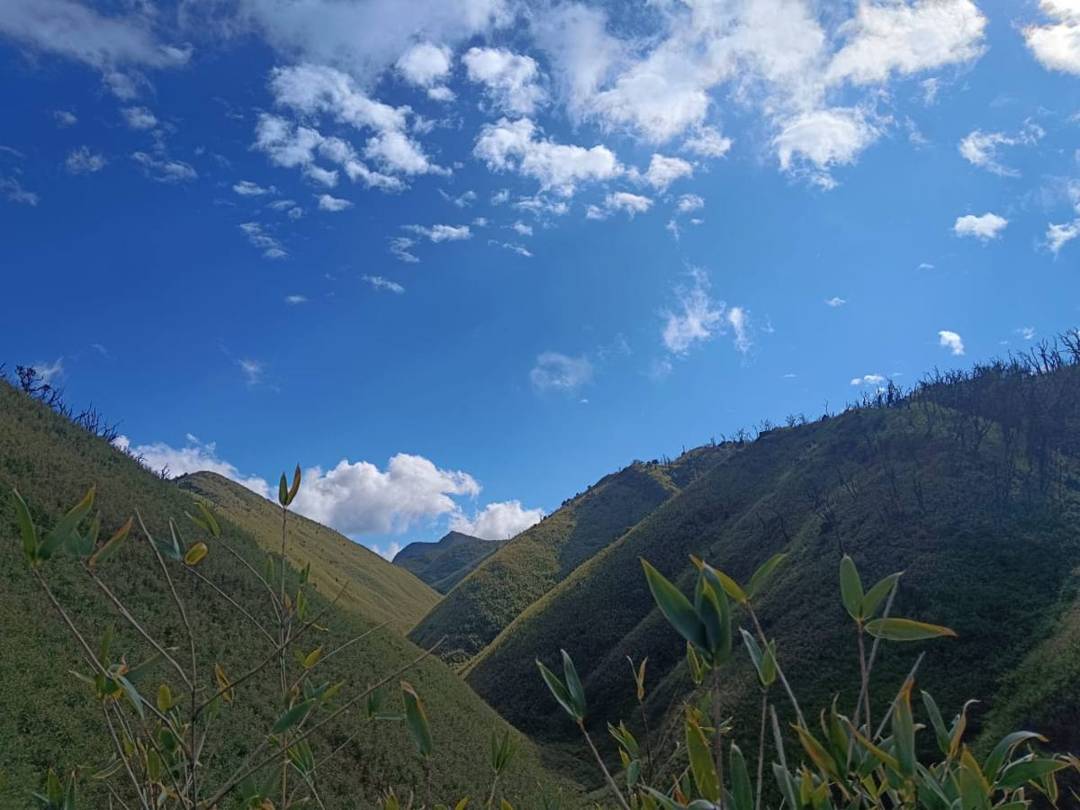
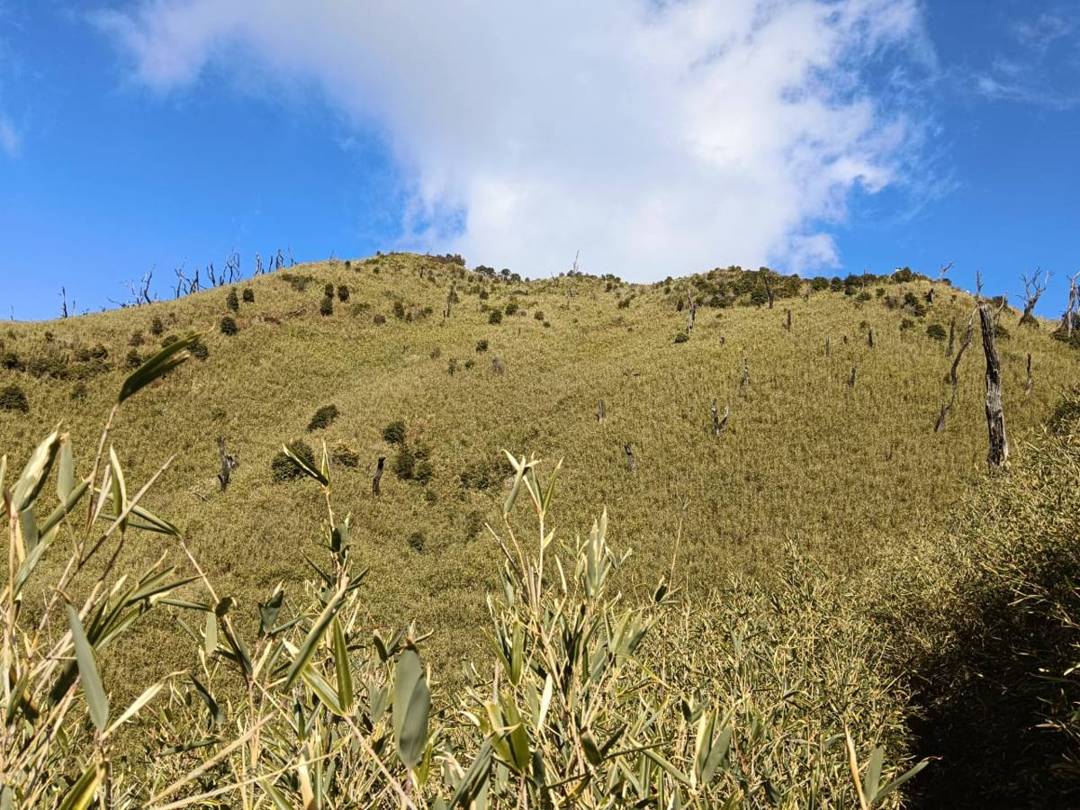
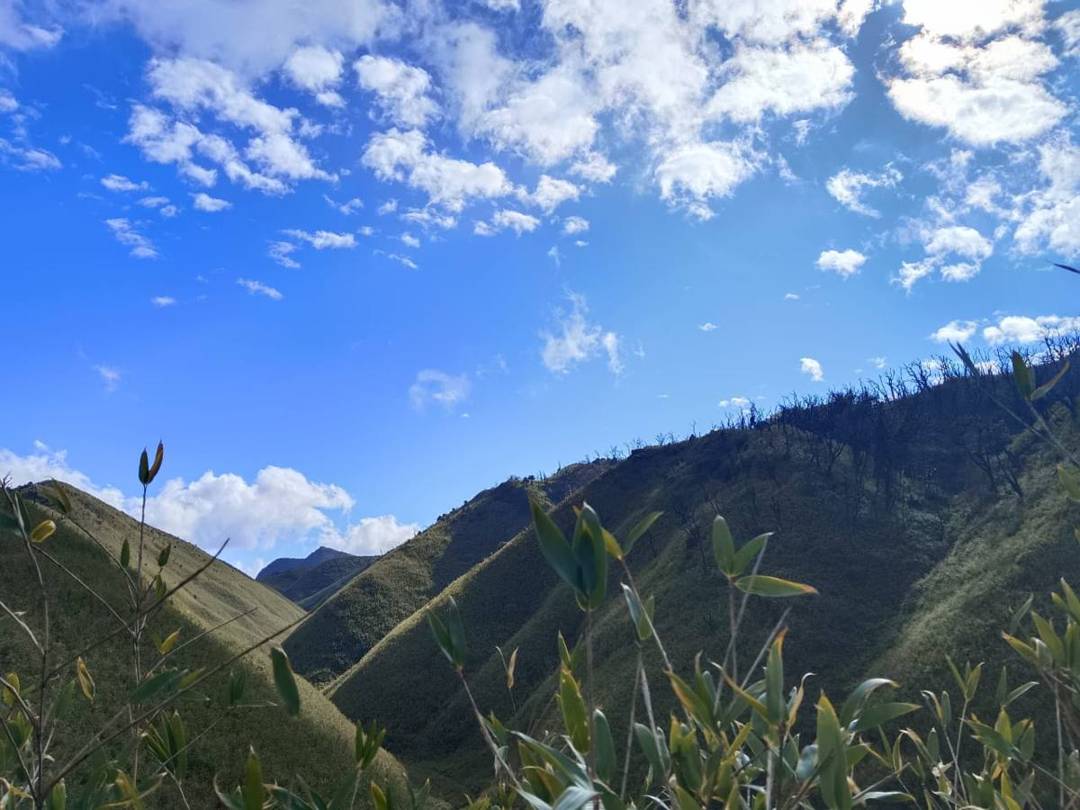
Dzukou Valley in photographs
Real photographs by travellers and local photographers. Tap any picture to see it larger.
More to explore
Khonoma
Angami village, near Kohima
India's first green village, with a fierce and proud history.
Longwa, Mon
Mon district, Myanmar border
The Konyak village where the chief's house straddles two countries.
Yuksom & Khangchendzonga
West Sikkim
Sikkim's first capital and the gateway to the Goecha La trek.