Kohima War Cemetery
Where the tide of the Second World War turned in the East
In the spring of 1944, the Japanese army's advance into India was halted at Kohima in some of the most desperate fighting of the Second World War — a battle so pivotal it has been voted Britain's greatest battle, ahead of Waterloo and D-Day. Much of it was fought at close quarters across the garden and tennis court of the Deputy Commissioner's bungalow, now within the cemetery grounds; the white lines of that tennis court are still marked in the lawn.
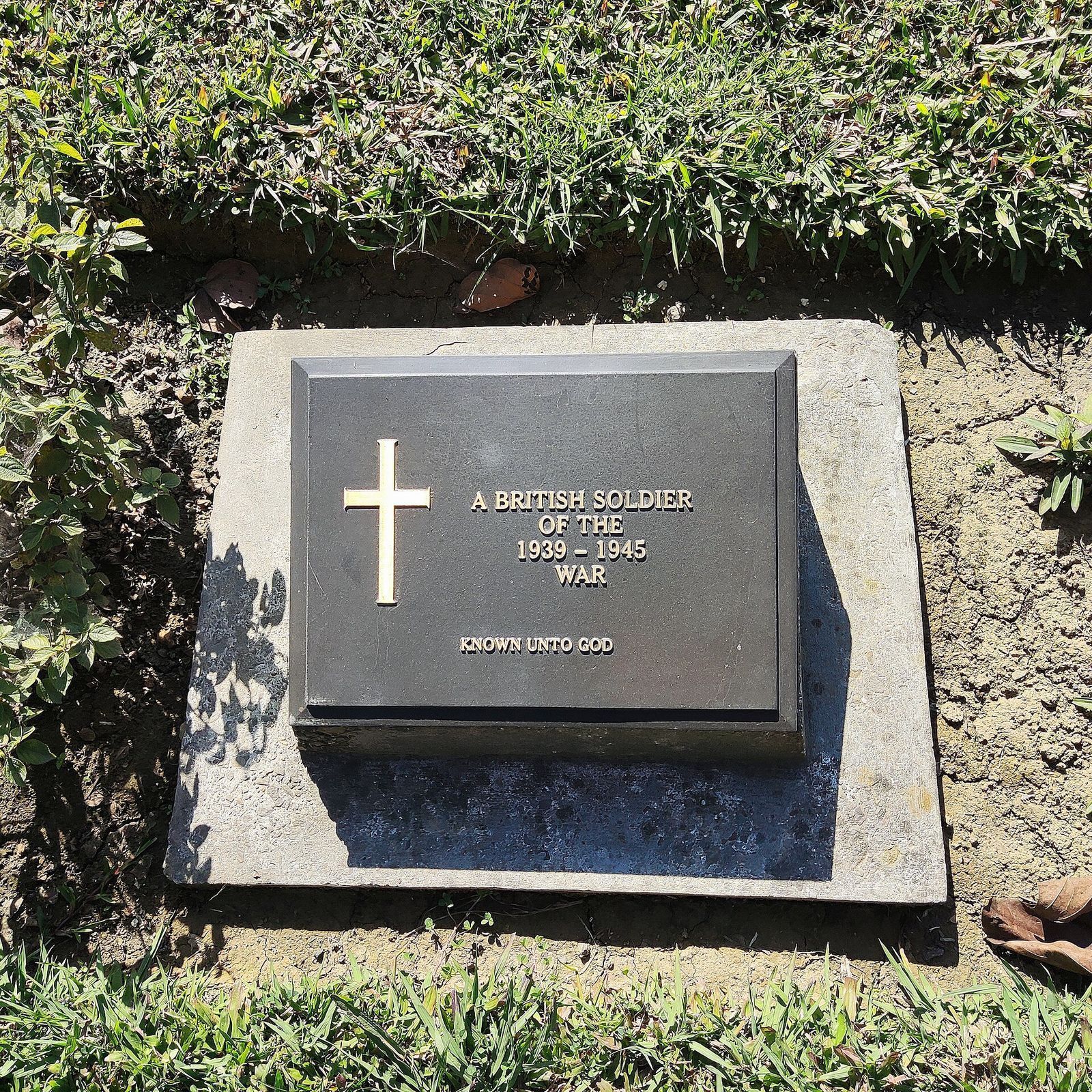
The Kohima War Cemetery, maintained by the Commonwealth War Graves Commission, rises in terraces up Garrison Hill, with more than 1,400 immaculate headstones of the Allied dead among clipped lawns and flowering cherry trees. At its foot stands the memorial bearing one of the most famous epitaphs of the war: 'When you go home, tell them of us and say, for your tomorrow, we gave our today.'
It is a place of great dignity and quiet, and one of the most moving historical sites in India. For many visitors — Indian, British, Japanese and Naga alike — it is the emotional heart of a trip to Nagaland, all the more so during the Hornbill Festival season each December.
What to see & do
- The Kohima epitaph memorial at the foot of the cemetery
- The marked outline of the tennis court where the battle was fought
- The terraced rows of headstones and the two memorial crosses
- The nearby WWII museum for the fuller story of the battle
Getting to Kohima War Cemetery
| How to reach | In the heart of Kohima, about 3 hours by road from Dimapur (airport and railhead). An Inner Line Permit is required for Nagaland. |
| Best time | October to March; December for Hornbill, when Kohima is busiest. |
| Timings | Open through the day. |
| Entry | Free. |
| Good to know | Visit early for the quiet. Pair it with Khonoma village and, in December, the Hornbill Festival at nearby Kisama. |
More to explore
Sivasagar: Rang Ghar & Talatal Ghar
Sivasagar
The capital of the 600-year Ahom kingdom that stopped the Mughals.
Charaideo Moidams
Charaideo
The Ahom royal burial mounds — the Northeast's first cultural World Heritage Site.
Kangla Fort
Imphal
The 2,000-year seat of the Meitei kings, at the heart of Imphal.