Ita Fort
The brick fort that gave Itanagar its name
In the heart of Arunachal's capital stands the monument that gives the city its name: Ita Fort, from ita, meaning 'bricks'. This irregular fort, built largely of bricks, is generally dated to around the 14th–15th century and attributed to the Jitari (Chutia) rulers who once held sway over parts of the region — a rare surviving trace of the eastern Himalaya's early dynasties.
The fort's walls, laid out on three sides to follow the contours of the hills, are estimated to have used over 45 lakh bricks, an enormous undertaking for its time. Much of it now stands in ruins amid greenery, but the scale of the brickwork and the hillside setting still convey the ambition of its builders.
For visitors to Itanagar, Ita Fort is best combined with the striking yellow-roofed Gyaker Sinyi (Ganga Lake) and the Buddhist temple gifted by the Dalai Lama, together offering a half-day introduction to the capital's history and setting. A permit is needed to visit Arunachal.
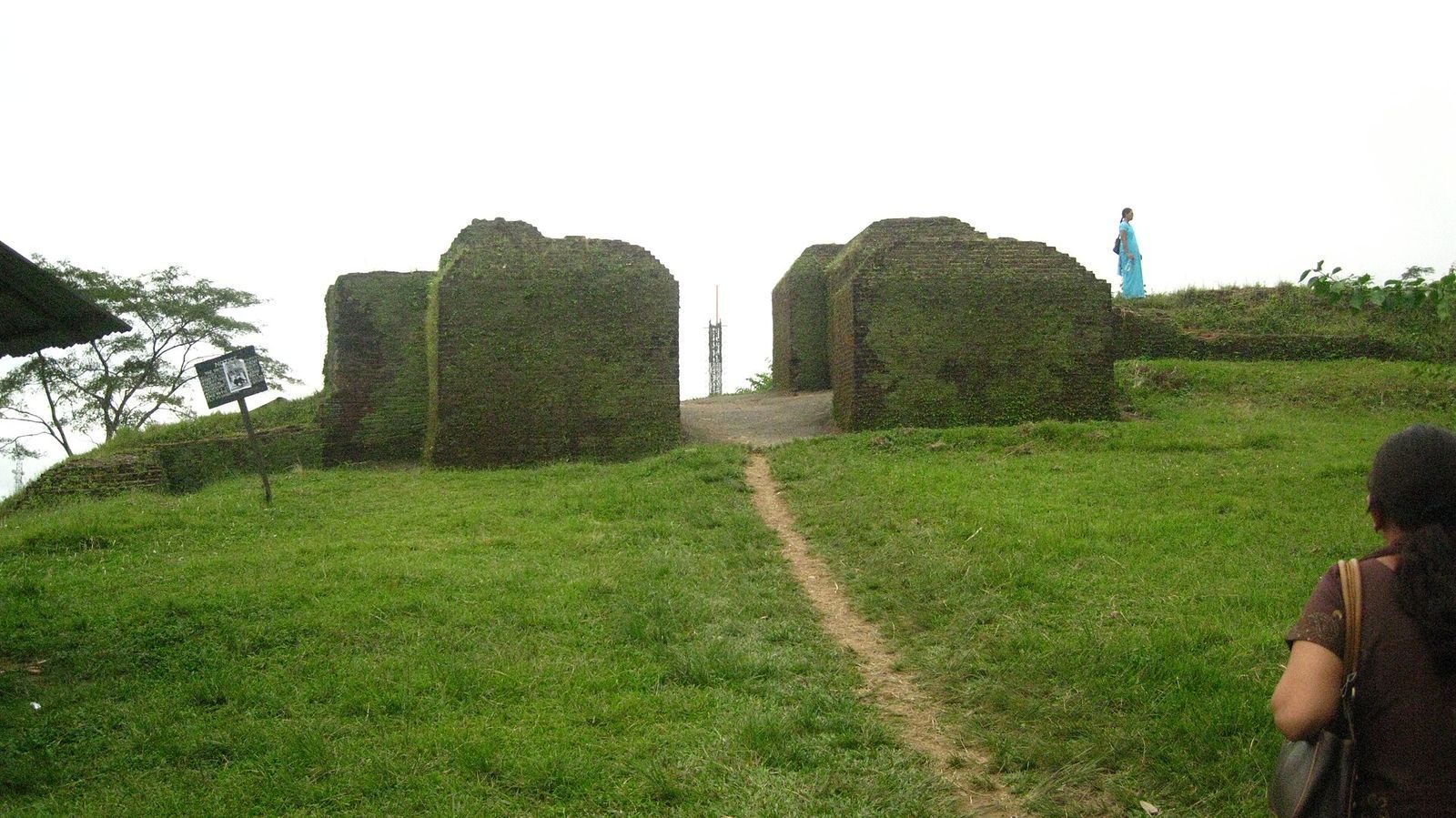
What to see & do
- The ancient brick ramparts following the hill contours
- The Buddhist Gompa temple and the state museum nearby
- Gyaker Sinyi (Ganga Lake) in the forest on the city's edge
- Views over Itanagar from the fort's higher ground
Getting to Ita Fort
| How to reach | In central Itanagar; the Donyi Polo airport at Hollongi is about 1.5 hours away. An Inner Line Permit is required. |
| Best time | October to April. |
| Timings | Daylight hours. |
| Entry | Free or nominal. |
| Good to know | Combine with Ganga Lake and the state museum for a compact capital day. |
More to explore
Tawang Monastery
Tawang
India's largest monastery, and the birthplace of the 6th Dalai Lama.
Parasuram Kund
Lohit district
A Himalayan river pilgrimage where devotees wash away sin.
Sivasagar: Rang Ghar & Talatal Ghar
Sivasagar
The capital of the 600-year Ahom kingdom that stopped the Mughals.