Hornbill Festival
The 'festival of festivals' — all sixteen Naga tribes in one place. The Northeast's single biggest draw; book months ahead.
The Hornbill Festival is the grandest celebration in the North-East and one of the great cultural festivals of India — the 'festival of festivals', staged every year from 1 to 10 December at the Naga Heritage Village of Kisama, about 12 km from Kohima. Named after the hornbill, the bird revered across Naga folklore, it was created by the Nagaland government to bring all sixteen major Naga tribes together in one place so that their traditions could be preserved and shared. For the visitor, it is the single best opportunity anywhere to experience the whole spectrum of Naga culture in ten unforgettable days.
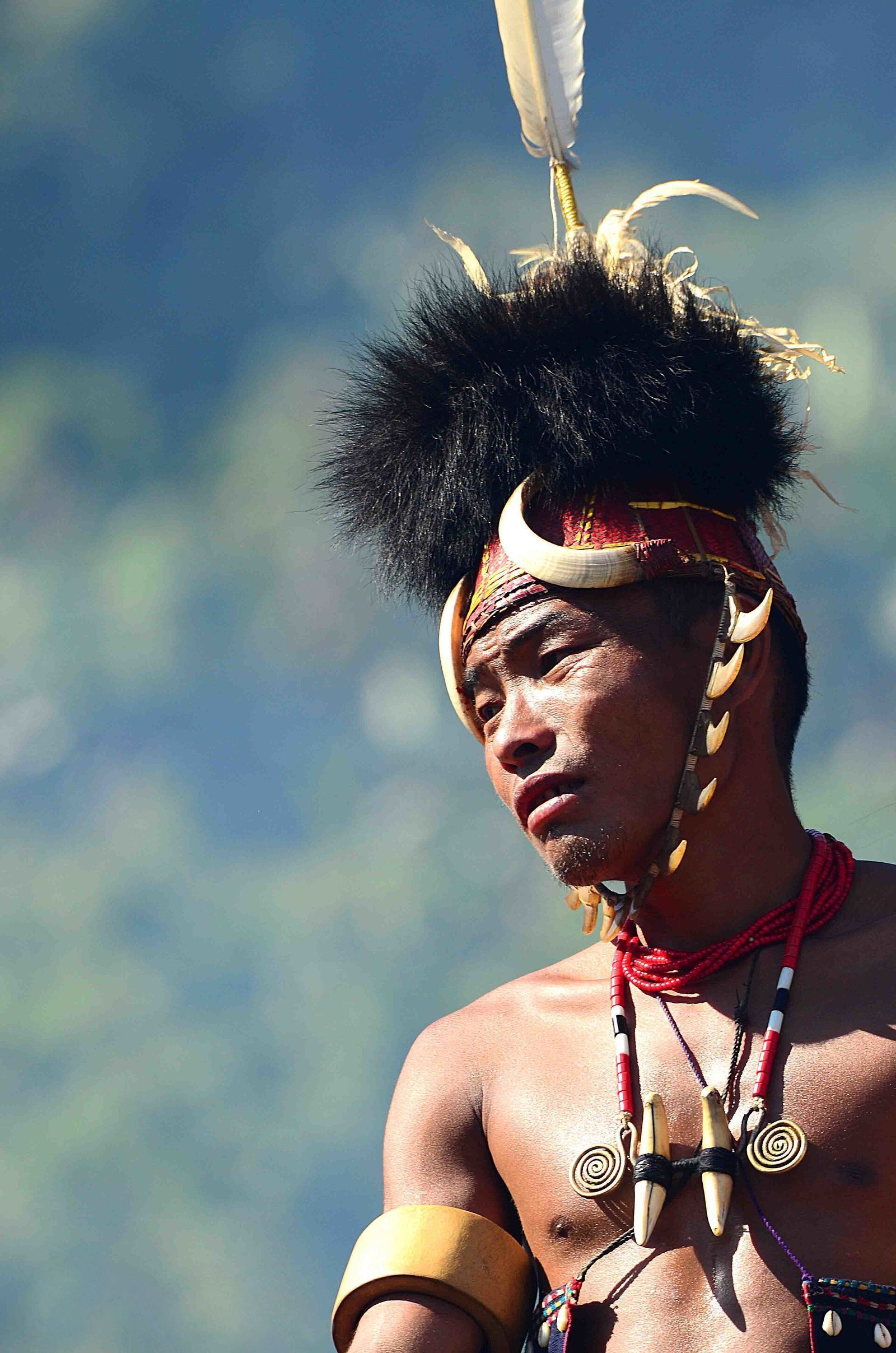
At its heart is Kisama itself, where each tribe has built a traditional morung (a log-and-thatch house) around a central arena. Through the day, warriors and dancers in extraordinary headdresses of hornbill feathers, boar tusks, cowrie shells and beadwork perform folk dances, war cries, log-drum ceremonies and indigenous games; you can step inside each morung to taste tribal food, sip rice beer, watch crafts being made and talk to the elders. Alongside the cultural arena run the fiery Naga king-chilli eating contest, traditional wrestling, a night bazaar, and — in Kohima town each evening — the famous Hornbill Music Festival, which has become one of India's biggest rock and indie events.
For 2026 the festival runs 1–10 December. The best days are usually the opening (1 December), which brings the full ceremonial grandeur, and the first three or four days before the largest weekend crowds; the closing day (10 December) also has a special energy. Most independent visitors base themselves in Kohima (about a 3-hour drive up from Dimapur, the nearest airport and railhead) and travel out to Kisama each morning; a smaller number stay in tourist camps and homestays nearer Kisama, or in the beautiful village of Khonoma an hour away.
Two things make or break a Hornbill trip: permits and beds. Every Indian visitor needs an Inner Line Permit for Nagaland, which you apply for online in advance; foreign nationals now need a Protected Area Permit as well, which takes weeks to arrange through a registered operator — so foreigners must plan months ahead. Accommodation in and around Kohima books out by September or October, and prices rise steeply for festival week, so reserve as early as you can. Entry to Kisama is by a daily or season ticket, available at the gate or online.
A practical plan: fly or take the train to Dimapur, drive up to Kohima and settle in for three or four nights; spend two full days at Kisama (arriving by mid-morning for the dances), an evening or two at the Kohima music festival, and a day for the Kohima War Cemetery and a trip to Khonoma. Carry warm layers — December in Kohima is cold, especially in the evenings — comfortable shoes, cash (ATMs run dry in festival week), and a good camera. Above all, ask before photographing elders, and go with curiosity and respect: Hornbill is a living culture on show, not a performance staged for tourists.
Know before you go
- 2026 dates: 1–10 December at Kisama, 12 km from Kohima. The opening days and the first weekend are the most spectacular.
- Book Kohima accommodation by September–October; festival-week rooms are scarce and pricey. Consider Khonoma or Kisama camps as alternatives.
- Indians need an Inner Line Permit (apply online); foreigners also need a Protected Area Permit arranged weeks ahead via a registered operator.
- Fly or train to Dimapur, then drive 3 hours to Kohima. Carry warm layers, cash and comfortable shoes.
- Don't miss the evening Hornbill Music Festival in Kohima, and pair the trip with the War Cemetery and Khonoma village.
- Always ask permission before photographing tribal elders and inside the morungs.